
Warsh's Hammer: No Rate Cuts Amid Stubborn Inflation Jolts Markets
Federal Reserve Chair Kevin Warsh's clear signal of no immediate interest rate cuts has sent tremors through Wall Street, as persistent inflation forces the central bank to maintain its hawkish stance.
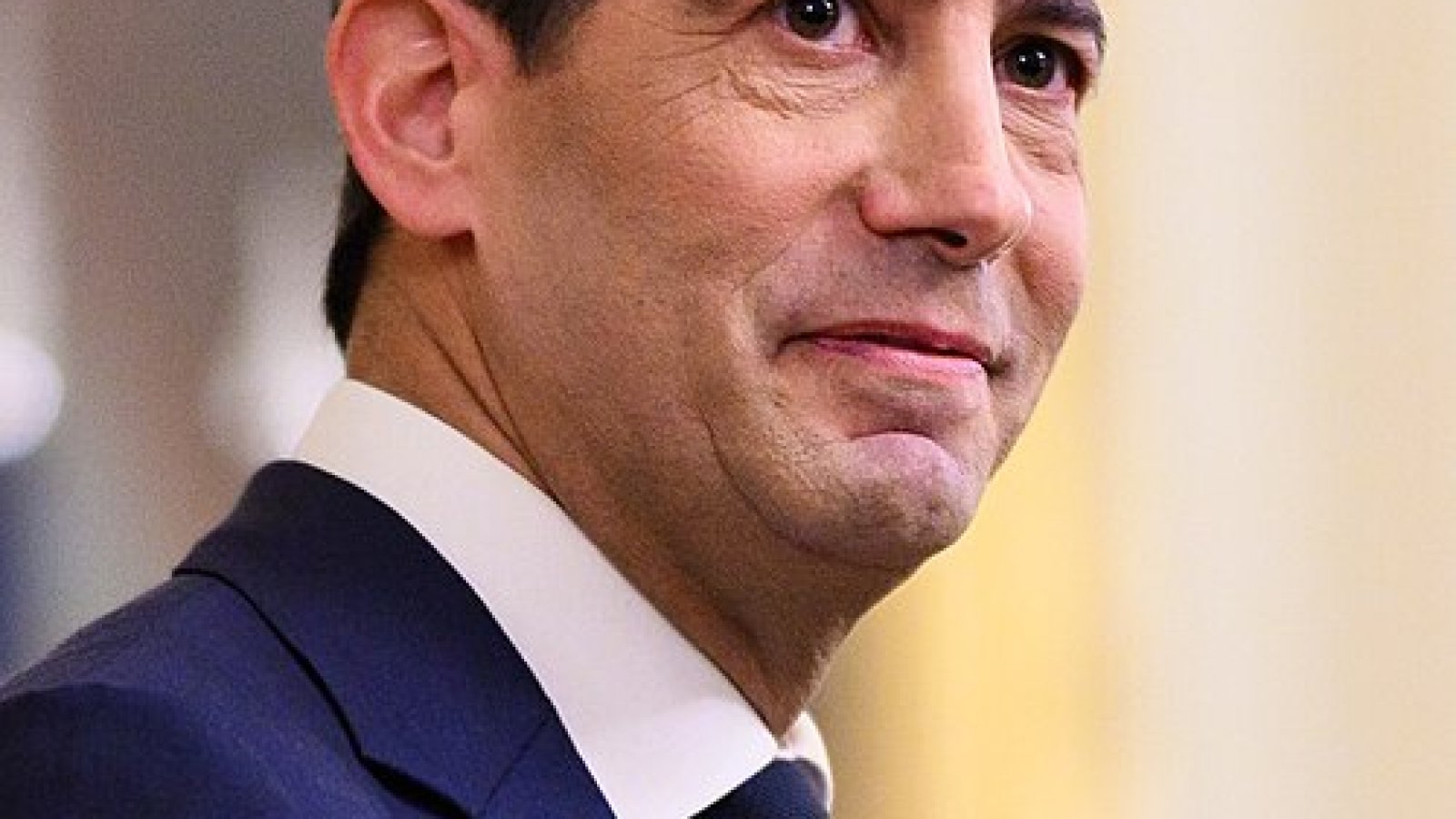
StreetIdea.com — The message from Federal Reserve Chair Kevin Warsh couldn't be clearer, and for Wall Street, it landed like a hammer blow. With inflation stubbornly elevated, the central bank is holding firm on interest rates, a decision that has sent futures for the S&P 500, Nasdaq, and Dow sliding. My read? Investors who were hoping for a pivot are in for a long wait.
The Fed's Unwavering Stance
Motley Fool and Yahoo Finance both highlighted Warsh's unambiguous communication, noting his intentions were made abundantly clear. The implication, as many outlets including Motley Fool pointed out, is not favorable for a market that has seen significant appreciation. This steadfastness stems directly from persistent inflation pressures, which continue to force the Fed's hand. Despite hopes for relief, the central bank's mandate to stabilize prices remains paramount, overriding any inclination to ease monetary conditions for the benefit of equity markets. This commitment to price stability means the current interest rate environment, already elevated, is set to persist for the foreseeable future. This isn't just a pause; it's a reinforced commitment to keeping borrowing costs high until the inflation beast is truly tamed. Fed Chair Warsh's resolve underscores a fundamental truth: the fight against inflation takes precedence, even if it means discomfort for an 'expensive stock market.'
Market's Cold Shower
The immediate fallout was evident in pre-market trading, with futures for the major U.S. indices—the S&P 500, Nasdaq, and Dow—all trending lower. Yahoo Finance reported these slides, noting the dual focus on US-Iran peace developments alongside inflation concerns. While geopolitical stability is always a welcome sign, it appears the Fed's hawkish stance is the dominant force driving market sentiment today. For an 'expensive stock market,' as Motley Fool described it, sustained high interest rates present a significant headwind. Here’s why:
- Higher Borrowing Costs: Businesses face increased expenses for capital, impacting profitability and growth prospects, especially for companies reliant on debt financing.
- Reduced Future Earnings Value: Discount rates used to value future corporate earnings rise, making growth stocks, particularly those with distant profit timelines, less attractive to investors.
- Alternative Investments: Higher yields on safer assets like Treasury bonds offer a more competitive alternative to equities, drawing capital away from riskier investments.
- Economic Slowdown Risk: Prolonged high rates increase the risk of an economic downturn or recession, which would naturally hurt corporate revenues and earnings across the board.
This dynamic forces a re-evaluation of valuation multiples, bringing them back down to Earth in a higher-rate world.
Navigating the New Normal
In this environment, investors are being forced to re-evaluate their strategies. The era of cheap money fueling speculative growth is definitively over, at least for now. This shift is leading many to seek refuge in more resilient sectors. Motley Fool and Yahoo Finance both offered the example of looking at dividend stocks, even citing TJX as a potentially smart buy with $1,000. Their rationale? Companies like TJX, with their discount retail model, often see sales grow faster during times of economic uncertainty as consumers become more price-sensitive and look for value. This highlights a broader trend: a move away from high-growth, high-valuation narratives towards companies with strong balance sheets, stable cash flows, and a history of returning capital to shareholders. It’s a return to fundamentals, emphasizing value and defensive plays in a market that is clearly still digesting the full implications of a resolute Federal Reserve. My advice? Don’t fight the Fed. Understand their resolve, and position portfolios accordingly for an extended period of tighter monetary conditions.